US Treasury cuts off MEXC crypto exchange over sanctions evasion
FinCEN says the Seychelles-based exchange processed at least $16 billion in transactions tied to Iran, North Korea and Russia between May 2021 and May 2026.
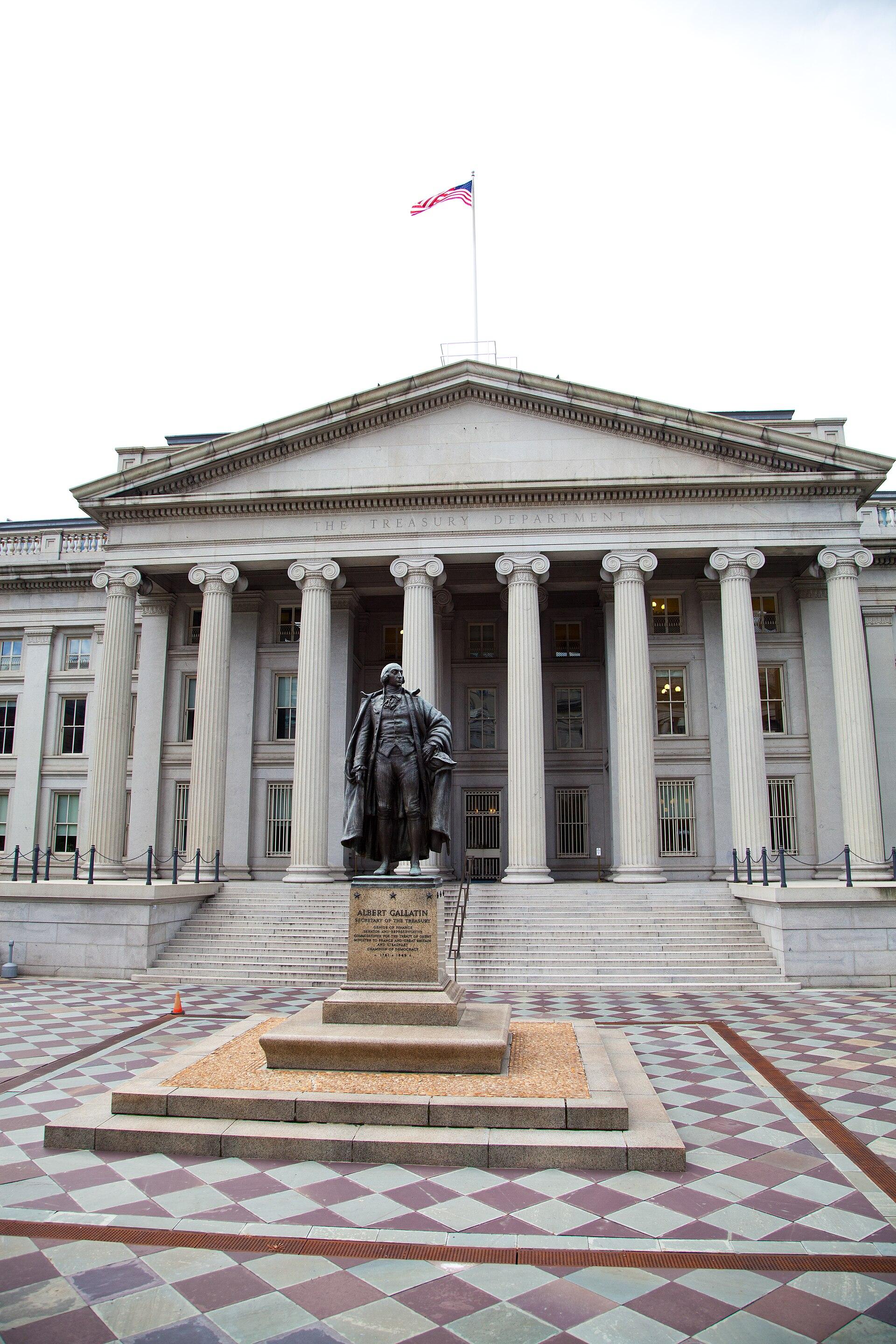
The Treasury Department's Financial Crimes Enforcement Network (FinCEN) issued an order on Friday, November 6, 2026, that severs Seychelles-based crypto exchange MEXC Global from the U.S. financial system. FinCEN said the exchange enabled at least $16 billion in transactions linked to sanctions evasion, cybercrime and other illegal activity over the period from May 2021 to May 2026. The order will apply 30 days after its publication in the Federal Register, and it places U.S. financial institutions and individuals under the threat of secondary sanctions or enforcement for transferring funds to or from MEXC. FinCEN reported that between May 2021 and May 2026, the exchange shifted $16 billion or more tied to illicit activity, with close to $1.5 billion of that linked to Russian sanctions evasion and $232 million in direct dealings with sanctioned parties. As recently as June 2026, the exchange continued to move funds through sanctioned Russian exchanges Garantex and Grinex, and it handled at least $226 million that aided or was tied to the OFAC-designated A7 sanctions evasion network based in Russia. FinCEN also said that over that period, MEXC had moved roughly $1 billion directly with more than 40 known Iranian CVC exchangers, including some that are under U.S. or international sanctions. The agency named MEXC a "primary money laundering concern" in connection with Russian illicit finance and said its compliance had "severe deficiencies" despite publicly claimed anti-money-laundering controls. FinCEN blamed deficiencies in MEXC's anti-money laundering and customer identification and verification policies. Treasury Secretary Scott Bessent said, "Financial institutions cannot have it both ways: Either you support the Iranian regime, or you have access to the U.S. financial system. Treasury will continue to sever the Iranian regime's economic lifelines and thwart its desperate attempts to circumvent U.S. sanctions using digital assets". MEXC said on X that it is aware of the order and is reviewing it with its legal and compliance teams. The exchange said it is "operating normally, and user assets remain secure," and that it has begun an independent review of its AML and sanctions controls. "We take the concerns raised seriously and intend to engage constructively with FinCEN, as well as other relevant regulators and competent authorities worldwide," MEXC said. The ban is part of Operation Economic Outcast, a Treasury effort launched in August to sever financial institutions that assist Iran’s sanctions evasion. Treasury last month labeled Russia's A7 Network a transnational criminal organization and suggested severing its front companies from U.S. financial access, noting more than $179 billion moved through its ruble-backed A7A5 token, largely via Garantex and Grinex. According to FinCEN, MEXC was founded in 2018 and handles daily transaction volume above $1 billion, keeps roughly $5 billion in reserves, and lists more than 3,000 tokens. DefiLlama's data showed MEXC's total assets at around $4.48 billion on Friday.
Sources
Lena Vasquez covers vulnerabilities, breaches and identity for Five Nines. She writes from advisories, vendor bulletins and published reporting.
Corrections. Report an error to corrections@thefivenines.com. We list substantive corrections on the corrections page.