Broadcom patches VMware vCenter authentication bypass after months of zero-day use
Suspected China-nexus group Armory Castle exploited CVE-2026-123890 from early September, Google and Mandiant report. Broadcom patched on Nov. 19 and CISA set a Nov. 23 federal remediation deadline.
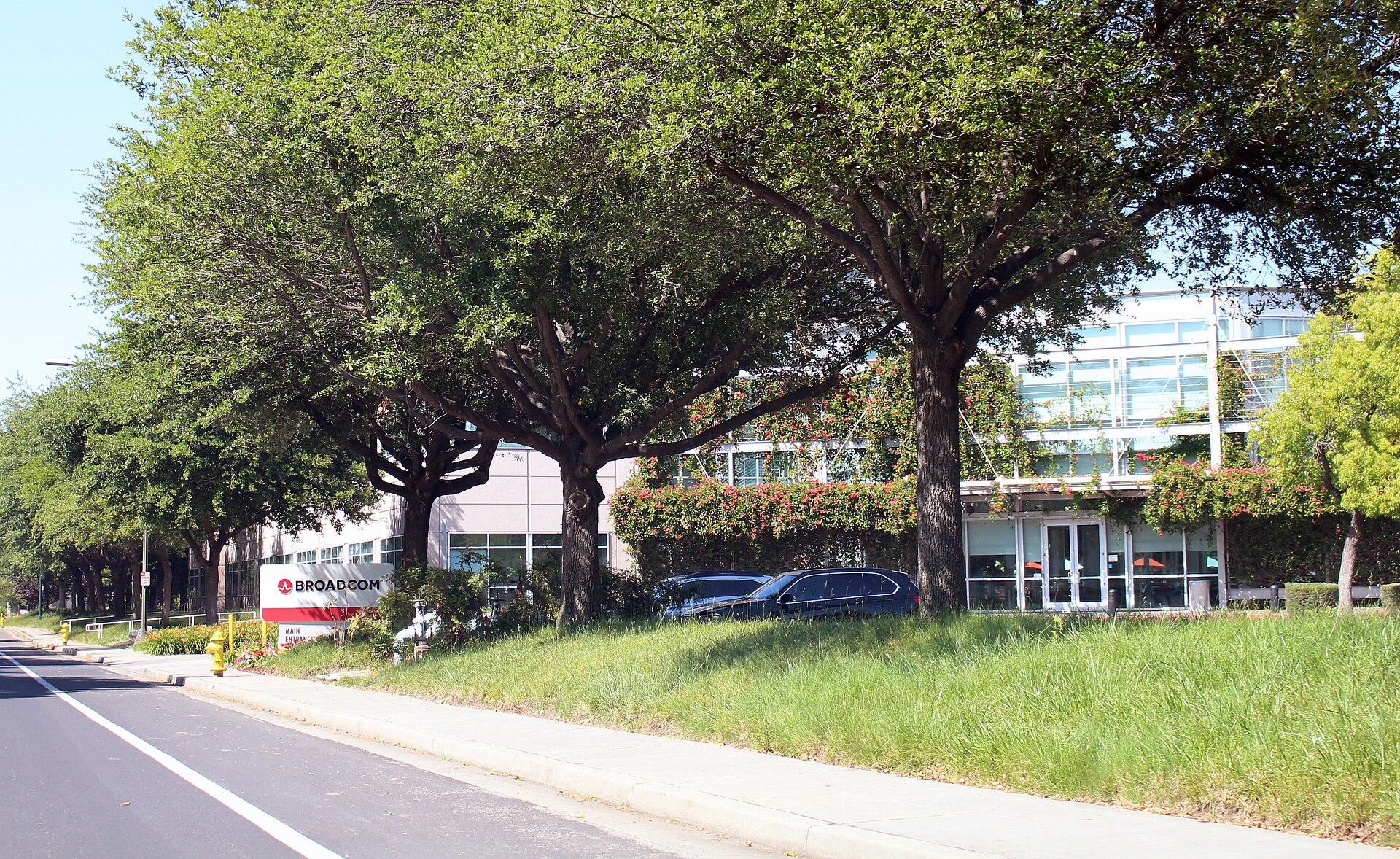
Broadcom released a patch for CVE-2026-123890, a vCenter Server authentication bypass, on 19 November in advisory VMSA-2026-0009, Five Nines reported. Google Threat Intelligence Group and Mandiant said the suspected China-nexus group Armory Castle, formerly UNC5221, exploited the flaw from early September, more than two months before the fix, and the bug carries a CVSS score of 9.8, The Hacker News reported. The flaw exposes an unauthenticated Secure Remote Password (SRP-6a) session key through DCE/RPC. A successful exploit creates an authenticated session as administrator@vsphere.local, lets the attacker run arbitrary commands and can take files such as the data.mdb directory database.
Broadcom's fixes for the vCenter bug are 8.0 U3m, 9.0.2.0200 and 9.1.1.0200, and VMware Cloud Foundation 5.2.5. vCenter 7.0 has no general patch; customers with extended support should reach out to Broadcom Support. The advisory also resolves four other CVEs in SDDC Manager and VMware Tools for Windows. It lists no workaround, and CISA added the flaw to the Known Exploited Vulnerabilities catalog on 20 November with federal remediation due 23 November, Shattered reported.
Armory Castle first breached a BeyondTrust Remote Support appliance through CVE-2026-102764, then moved to Linux appliances without EDR, Five Nines' earlier report said. It ran Nmap to look for VMware ports 9080, 5480 and 2012. The SLIMSAVAGE web shell ActiveSer.jsp was used first for command execution, and about four hours later the group added CAGEMATCH u.jsp to stage files. For root access, it exploited gdb to give /bin/env setuid permissions. It ran BONESAW, a Go-based utility named vcenter-db-teamcheck-go, against an internal vCenter server. BONESAW exfiltrated the Lightning Memory-Mapped Database, pulled SAML signing keys and created an SSO administrator account. A companion tool, SAWSNAKE, forged SAML tokens from those keys to bypass MFA. The group then created sps-<REDACTED>@vsphere.local, enabled SSH through the VAMI API, and moved to ESXi to steal the NTDS database and registry hives.
Mandiant found signs that Armory Castle learned of the vulnerability before the 29 July disclosure of CVE-2026-59309. The BONESAW binary shows a build time of 13 July, although Go build metadata is modifiable before compilation. Mandiant advises administrators to apply the patch immediately and then examine systems for evidence of compromise because exploitation predates the fix, Help Net Security reported. Teams should review SSO administrators, SAML token activity and unusual directory database reads. Mandiant's VCSA Hardening & Logging Tool blocks management access by default, filters outbound traffic and forwards logs to a SIEM.
Sources: Shattered, The Hacker News, Help Net Security, Five Nines (1, 2)
Lena Vasquez covers vulnerabilities, breaches and identity for Five Nines. She writes from advisories, vendor bulletins and published reporting.
Corrections. Report an error to corrections@thefivenines.com. We list substantive corrections on the corrections page.