GL.iNet cloud flaw exploited to infect routers and KVMs
GL.iNet has blocked the attack path and will release stable security firmware on November 22; users should check devices for the crond -i /tmp/.log process and install the update.
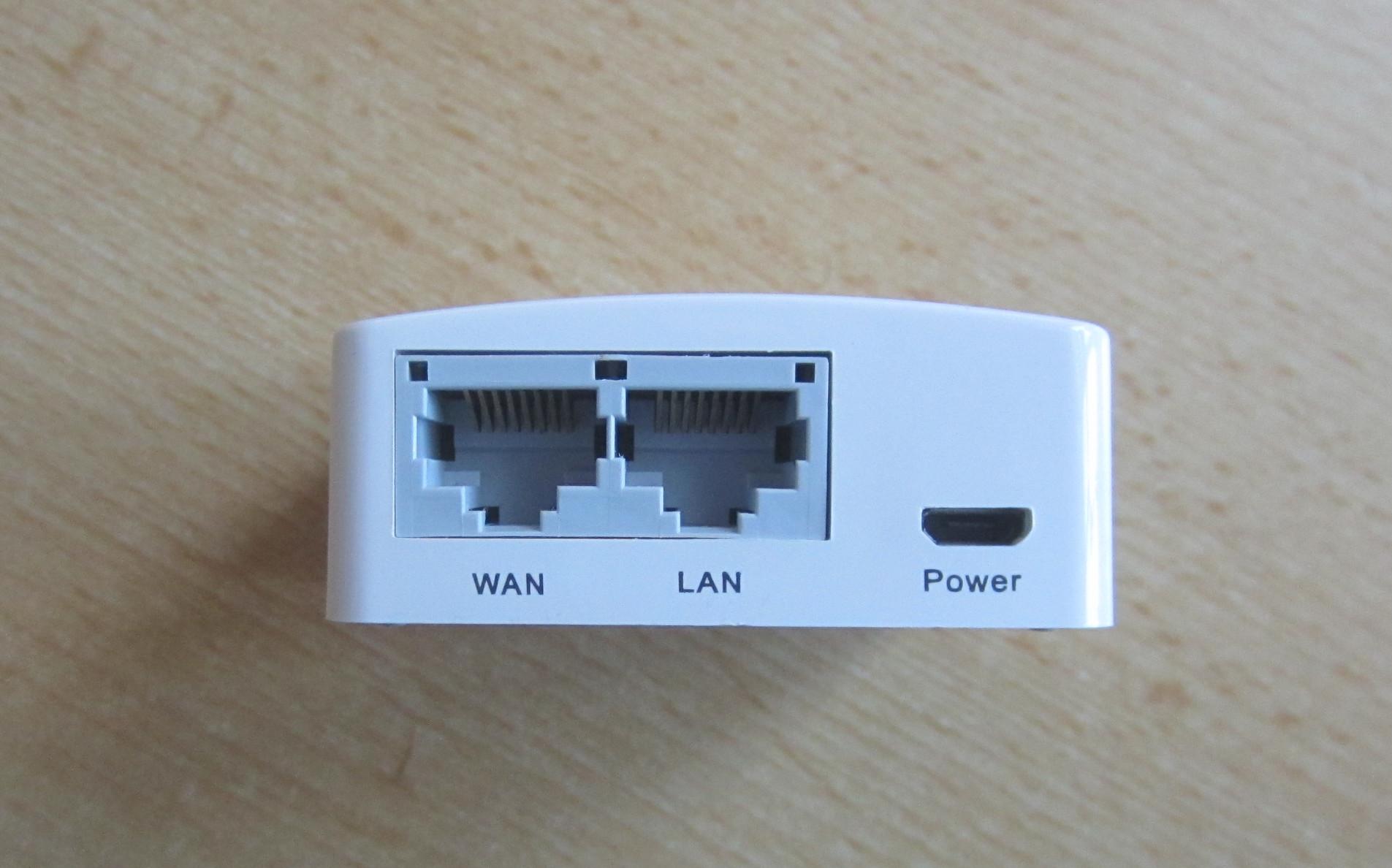
In a security advisory on 20 November, GL.iNet said an attacker took advantage of a flaw in its cloud remote management platform to reach certain routers and KVM devices and deploy malware. The company patched the vulnerability and shut off the entry point, preventing further infections via that route, but the fix does not eliminate malware already present.
BleepingComputer said hackers used the bug to install custom malware, and some customers discovered backdoors and reverse shells enabling remote control of infected devices. GL.iNet has not revealed how the attackers broke into the platform, the number of affected users, or whether data was taken.
Final firmware releases that address the security issues for routers and KVM devices are due on 22 November; beta versions for KVM units are already out. GL.iNet advises installing the stable update even if a device shows no signs of compromise, and says it will email affected customers using the address linked to their cloud account.
To check a device, look for a process with the exact text "crond -i /tmp/.log". Router owners can use the LuCI web interface under Status → Processes or run "ps | grep tmp" over SSH. On KVM devices, the command in the terminal varies by model. If the process appears, treat the device as infected. KVM customers can apply the security beta or reset the device to factory settings immediately, and should install the stable firmware when it arrives.
However, BleepingComputer reported that GL.iNet forum members caution the official detection steps may miss some compromised devices, such as those with different backdoors or reverse shells. GL.iNet pointed to a community-built scanner that detects known malware files, suspicious processes, altered system tools, and configuration changes used for persistence. The scanner's developers note it may not catch every infection, and some devices might need a clean firmware reinstall without keeping current settings. Anyone who suspects compromise should save forensic evidence, avoid restoring potentially infected configurations, and change passwords and access keys.
BleepingComputer analyzed a copy of the malicious "ni.sh" script. It downloads executables named gl-helper and gb, sets up persistence via startup scripts and scheduled tasks, and masquerades as "crond -i /tmp/.log". The installer also swaps the real netstat tool for a script that filters out connections to 66.245.219[.]252, adds SSH public keys, alters file timestamps, and contacts a remote server to fetch commands. Comments in Chinese explain its persistence and reporting features.
Researchers at RemoteToHome Consulting reported a suspected command injection flaw in the GoodCloud client's AstroWarp/SD-WAN handler, which passes cloud-supplied values as root shell commands without proper validation. GL.iNet has not confirmed this vulnerability was exploited. The researchers examined 183 routers they own or manage; 152 showed signs of compromise, including 24 with root-level reverse shells, 47 with a persistent backdoor from earlier activity, and 81 where commands likely executed on behalf of the attacker. The older backdoor infections may be unrelated to the November attacks.
One KVM owner posted network logs showing the device fetched "ni.sh" from 66.245.219[.]252 on 19 November and then talked to roughly 1,800 residential IP addresses each day while also repeatedly contacting the TRON blockchain API. The reason for those connections is not known. BleepingComputer also saw a separate malicious Lua payload from a GL-MT2500 router that launched through a modified startup script and gathered device details, reached out to remote servers, and fetched more programs. Some copied files carried timestamps from December 2025, which suggests certain devices were compromised for months, though it remains unclear whether those older infections stem from the same group.
The company is still establishing the full extent of the breach, including whether computers attached to compromised KVM devices were affected.
Sources: GL.iNet, BleepingComputer
Lena Vasquez covers vulnerabilities, breaches and identity for Five Nines. She writes from advisories, vendor bulletins and published reporting.
Corrections. Report an error to corrections@thefivenines.com. We list substantive corrections on the corrections page.