Iran-linked ships circle Gulf subsea cables
Iran-linked ships circled Gulf subsea cables in late October, Windward told the Financial Times.
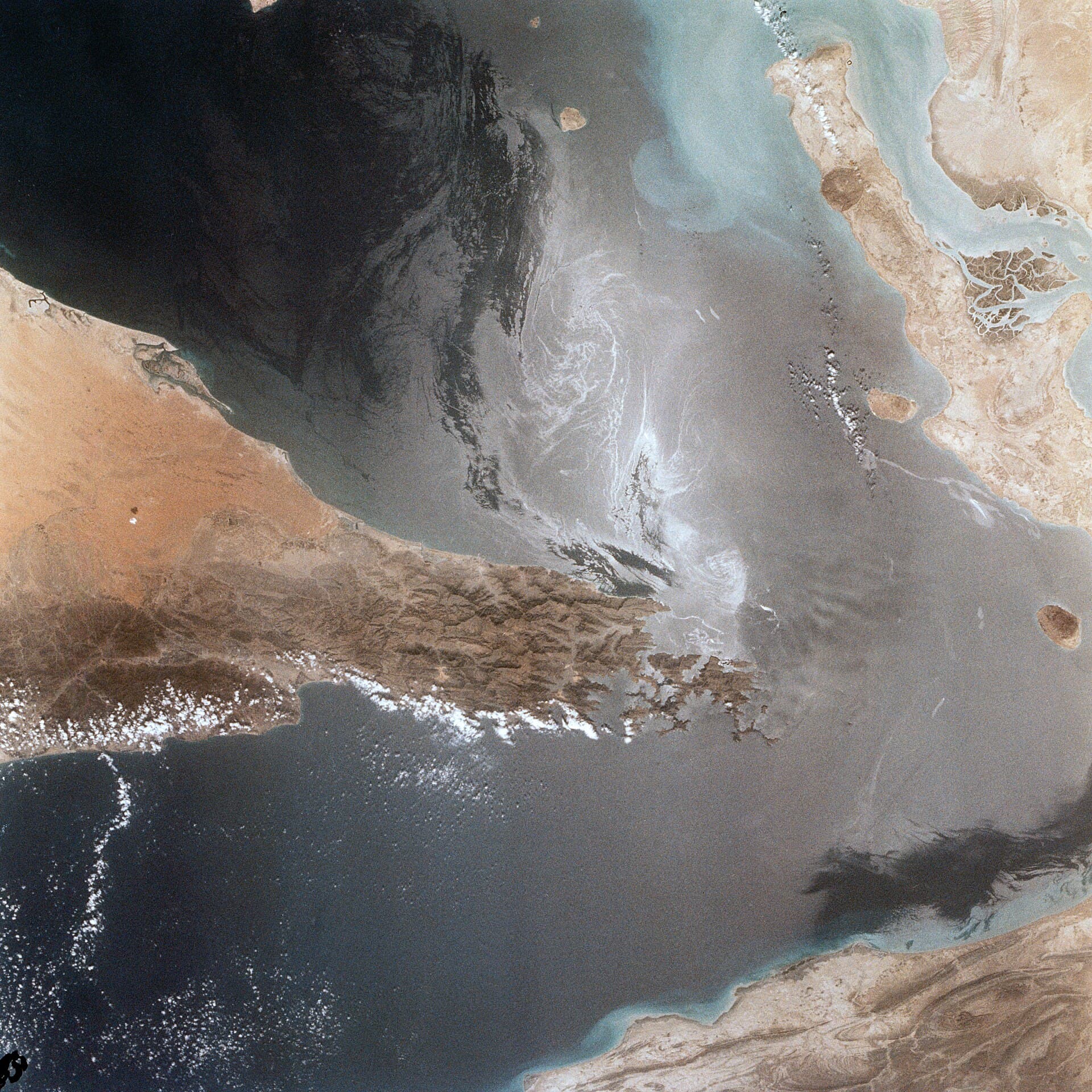
At least four ships linked to Iran took unusual routes and loitered over subsea cables in the Gulf of Oman in late October, after Tehran warned it could attack digital infrastructure, according to vessel data from maritime analytics company Windward reported by the Financial Times.
Three of the vessels were tankers subject to U.S. sanctions and the fourth was a small Iranian fishing craft, Windward data showed. The fishing boat remained over the Europe India Gateway and Transworld cables between October 21 and 26. Using ship tracking data and satellite images, analysts saw the ships slow down above undersea cables, including the 2Africa cable, which is designed to connect Gulf states to a network running from the Red Sea to East Africa, and the Falcon cable, which links Gulf states to India and Africa.
Windward told the Financial Times that the ships behaved differently from tankers waiting to load oil. They sailed normally until they reached a cable route, then slowed, circled, reversed, stayed still or turned off tracking systems. The company said the movements were "consistent with conducting surveys of cable routes, or placing explosives or mines on them during periods of tracking system downtime," Sada News Agency reported.
Sources differ on how many cables cross the Strait of Hormuz. DatacenterDynamics reported seven subsea cables run through the strait and three more are under construction, one of which is the 45,000-kilometer 2Africa cable. Sada News Agency, citing TeleGeography, said six cables pass through the strait and three more are being built: Fibre in Gulf, Sea-Me-We 6 and 2Africa.
Iraq, Kuwait, Bahrain and Qatar rely entirely on cables beneath the strait for internet service, so an attack would have severe economic consequences.
The loitering followed a warning on October 19 from Hossein Mohebbi, a spokesman for Iran’s Revolutionary Guard Corps. He said seven major internet cables run through the Strait of Hormuz and that "new targets and new weapons shall be unveiled," DatacenterDynamics reported. Tehran issued explicit threats last month against cables and data centers near the strait in response to comments by U.S. President Donald Trump and other senior officials indicating possible further attacks on Iran, Sada News Agency said.
Since the conflict started in late February, Iran has blocked the Strait of Hormuz, according to DatacenterDynamics. Iranian forces have targeted data centers in neighboring Gulf countries, including Oracle and Amazon Web Services, and the Revolutionary Guard named 18 US technology companies in the region "legitimate targets" in April. Meta paused work on a section of the 2Africa cable in March because of the war, and Iran’s own data centers have also been attacked.
The US has increased its military presence in the region. The USS Theodore Roosevelt was seen in satellite images in the South China Sea traveling toward Singapore, potentially adding to two carriers already in the Middle East, DatacenterDynamics reported.
Sources
Arjun Mehta covers data centres, AI infrastructure and networks for Five Nines. He writes from company announcements, filings and published reporting.
Corrections. Report an error to corrections@thefivenines.com. We list substantive corrections on the corrections page.