Two New Jersey water systems targeted in cyberattacks
State says operators lost remote visibility and switched to manual controls, while residents kept receiving safe water. ABC News sources named Iran as the prime suspect.
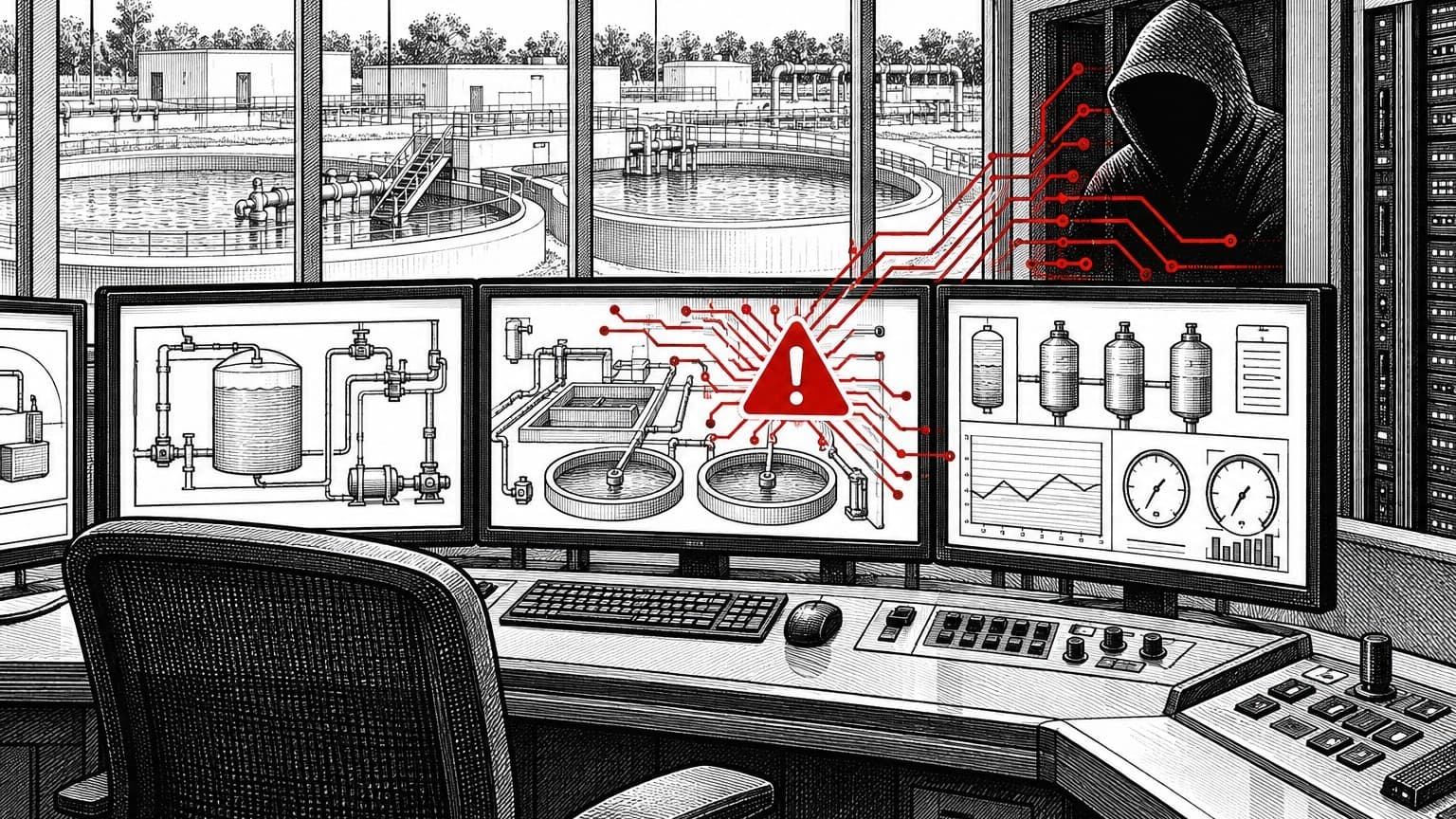
New Jersey officials said Wednesday that cyberattacks targeted two municipal water systems in the past week. The utilities were not named. Their automated systems went down, temporarily leaving operators unable to monitor or manage them remotely, but staff shifted to manual operations and residents kept receiving safe drinking water without interruption, according to the state.
The state's Cybersecurity and Communications Integration Cell handled the cases with the FBI and the federal Cybersecurity and Infrastructure Security Agency. Officials said the attackers reached control systems that were exposed to the internet and lacked proper safeguards. Both utilities have since been locked down with tighter access rules.
ABC News sources said Iran is still the main suspect and may be showing how it could respond as President Donald Trump threatens to widen the conflict. Officials are also checking whether another state actor imitating Iran's methods could be behind the incidents.
ABC News also reported that the hacks, which hit water and wastewater systems in at least a dozen states, took advantage of a flaw in software widely used by utilities. A patch is available, but utilities nationwide are checking whether they were affected. In Georgia, an attack on the Clayton County Water Authority led to a short-lived boil-water advisory; Columbus Water Works detected an intrusion but said drinking water was unaffected. There have been no reports of illness or widespread disruption to water supplies so far, though officials are still trying to determine the full scope.
On Friday morning at Calgary's Wave Tech Centre, specialists demonstrated quantum-based security systems that can safeguard sensitive data as it travels and raise an alert if someone tries to tap it. The demo was part of the Quantum City Global Challenge, an international program run by Quantum City with the City of Calgary and Numana. Program manager Jason Cameron said the city is trying to see how ready these new technologies are for real deployments. "It gives us a chance to pilot those new technologies and say, in our future budgeting processes, quantum security might be one of the options we're pursuing," Cameron said.
Cameron said a greater worry than stolen data is the possibility of hackers taking control of infrastructure. He cited recent cyberattacks in France that knocked out refrigeration in hundreds of supermarkets, forcing shops to throw away spoiled food. KETS Quantum Security founder Chris Erven warned that attackers could remotely disable or meddle with water systems, electricity grids or nuclear plant safety systems, and cited attacks on Ukraine's electricity grid as an instance of essential services being disrupted. The challenge drew applications from eight countries. Toshiba took the global prize, and KETS was named the startup winner. Cameron said the program lets Calgary try out new security tools on its existing municipal systems.
In the UK, Defence Secretary Wes Streeting said households and businesses need to prepare for natural disasters, cyber-attacks and state-sponsored terrorism. BBC News reported that the government is opening a "national resilience conversation" that tells people to keep food, bottled water and first aid supplies on hand. Streeting said cyber incidents such as a recently discovered critical flaw in the PHP programming language will occur more frequently; 32 UK government services went offline while the issue was addressed.
The Be Ready campaign urges households to store enough for three days: a torch, sleeping bags, first aid items, bottled water and food that will keep, plus an FM radio for updates. Streeting told BBC One's Question Time he wants people to be "alert but not alarmed" and said there is no specific threat behind the advice. Security Minister Dan Jarvis said the advice will help emergency crews focus on those who need extra help, and that similar campaigns are routine in France, Ireland and the Netherlands. Last month Environment Secretary Dame Angela Eagle separately warned about extreme weather from the strongest El Niño in a generation, and a National Audit Office report said Britain's food supply chain is vulnerable to cyber-attacks and extreme weather.
Sources
Kai Brennan covers cloud providers, outages and vendor pricing for Five Nines. He writes from status pages, vendor announcements and published reporting.
Corrections. Report an error to corrections@thefivenines.com. We list substantive corrections on the corrections page.