TfL takes Oyster photocard site offline after account compromise
About 265,000 Oyster photocard customers may have had names, contact details, dates of birth and security answers exposed. TfL found no sign of password or payment-data theft and will ask photocard customers to change their passwords and security answers.
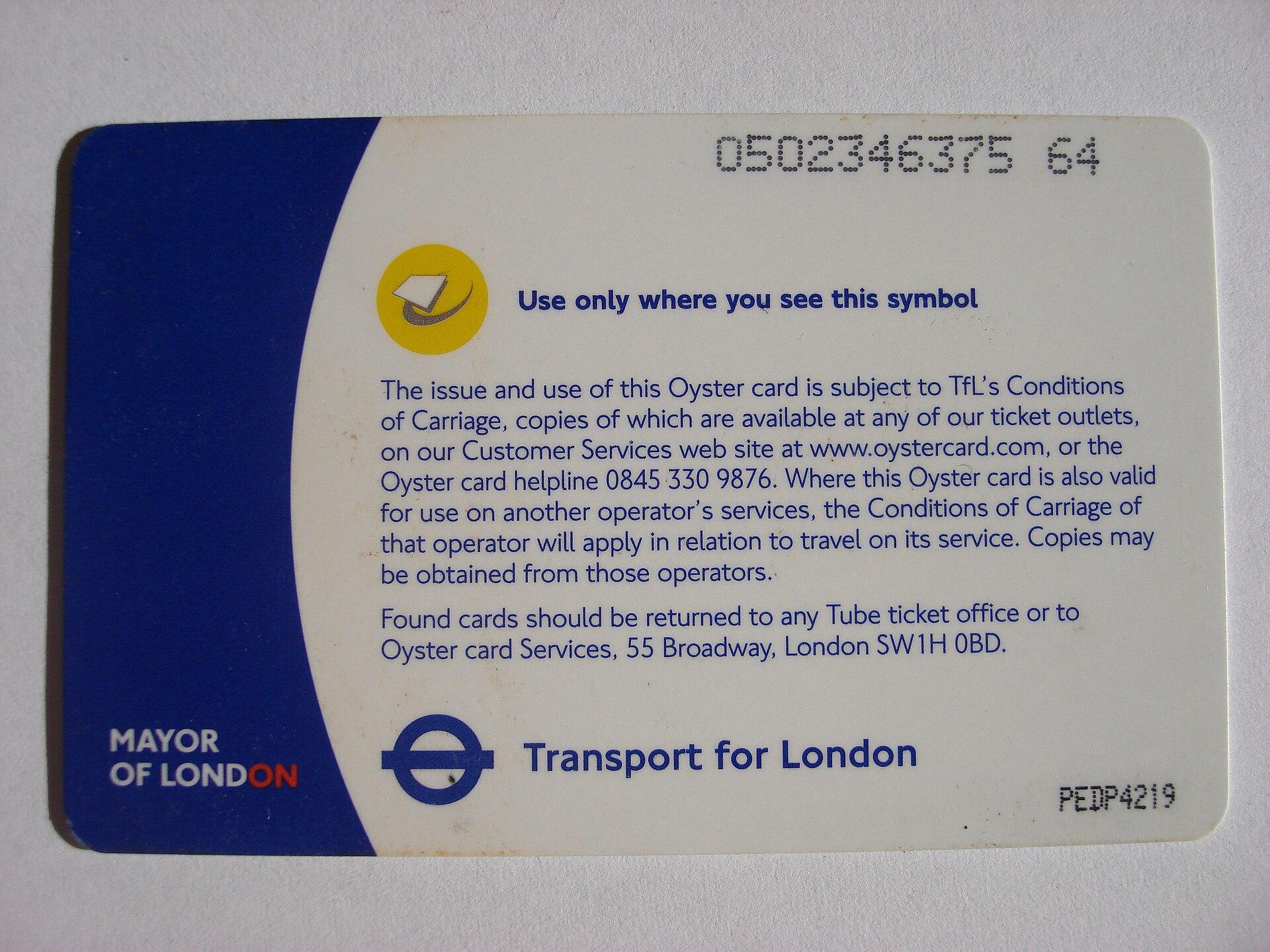
Transport for London took its Oyster photocard website offline after attackers compromised around 265,000 customer accounts, The Register reported on Thursday.
Oyster photocards are photo-bearing smartcards that give eligible riders free or discounted travel on London's public transport. On November 16, holders received messages that appeared to come from TfL's own systems telling them to register for accounts they already had. TfL said the compromise triggered those messages and it removed the photocard site while investigating. Shashi Verma, a TfL director, said: "We immediately took the TfL photocard website down while this was being investigated." He added: "The protection of personal information is a priority for us, and I apologize to our customers affected by this incident".
BleepingComputer reported that the breach notifications list exposed data as people's full names, phone numbers, email and home addresses, dates of birth, and security questions and answers. TfL does not believe passwords, bank or payment card details, journey records, or the names and birth dates of children with Zip Oyster cards were taken. Exposed security questions and answers can be used to regain access to accounts, so affected customers should watch out for suspicious activity.
The estimate has already moved from roughly 250,000 to 265,000 and could rise further because the investigation is unfinished. The affected group includes Zip Oyster card holders, whose cards can be issued to children from age five, and also students, apprentices, care leavers, veterans and people aged over 60. Applications for Oyster photocards collect names, addresses, dates of birth and photographs, LavX News reported. Even if children's details were not directly compromised, households where parents manage cards for minors may still be affected, and the final scope of exposed data is not yet clear.
TfL says it has stopped the breach and notified people who may be affected. It has not found evidence that the exposed data has been misused, and it has told the Information Commissioner's Office, but it has not said how the intruders got in.
When the portal returns, TfL will ask all photocard customers to change their password and security question and answer. Anyone who reuses passwords on other sites should change them there, too, and any reused security questions should be rotated. Existing Oyster photocards continue to work at ticket barriers, but people who need to renew a card or check their journey history should contact TfL's customer services while the site is down. TfL has not said when the site will be back, though Verma said: "We hope to restore the affected website services as quickly as possible".
The photocard breach follows a larger 2024 cyberattack in which attackers reached systems holding names, email addresses and home addresses. TfL told The Register in March that it had warned more than seven million customers about that incident, and around 5,000 were contacted separately because their bank account details may also have been exposed. Two teenagers were charged in connection with the 2024 attack, which authorities linked to the Scattered Spider crew, and the UK data regulator took no enforcement action. TfL says there is no sign the two incidents are connected.
Sources: theregister, BleepingComputer, LavX News
Lena Vasquez covers vulnerabilities, breaches and identity for Five Nines. She writes from advisories, vendor bulletins and published reporting.
Corrections. Report an error to corrections@thefivenines.com. We list substantive corrections on the corrections page.