Palo Alto Networks patches Fragnesia flaw used to root PAN-OS firewalls
The company shipped 20 hotfixes for CVE-2026-46300 after Dream researchers said suspected Chinese attackers chained it with PHP2Shell to root 25 firewall and management servers.
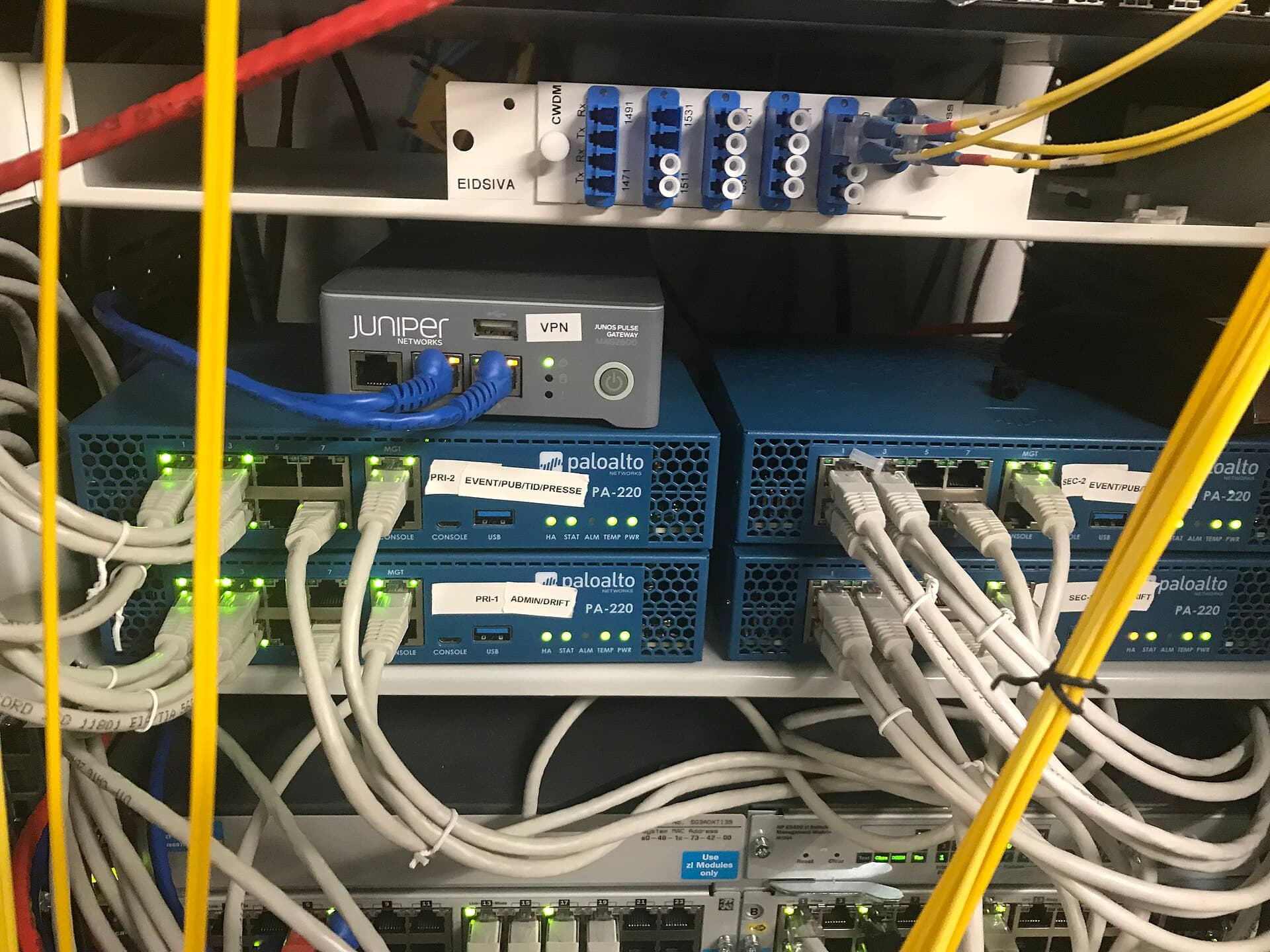
Palo Alto Networks has shipped PAN-OS updates that close CVE-2026-46300, the Linux kernel privilege escalation flaw known as Fragnesia. SecurityWeek reported on Wednesday that the company released 20 hotfixes across the 10.2, 11.1, 11.2, 12.1 and 12.2 branches, including 12.2.4-h3 and 10.2.7-h41. Fragnesia was disclosed in May 2026 as a bug in the kernel's XFRM ESP-in-TCP subsystem that lets an unprivileged attacker overwrite sensitive system files to gain root. Palo Alto says the only known path to exploit it against PAN-OS is first to exploit PHP2Shell through an internet-exposed management interface. "Exploitation of CVE-2026-46300 has been observed targeting the Palo Alto Networks management interface exposed to the internet," the company said. Apply the fixes right away when the management interface is reachable from the internet; if not, patch at the next maintenance window. Also keep direct web access to that interface disabled.
According to MLQ.ai's summary, Palo Alto published advisory PAN-SA-2026-0015 on Nov. 24 and discovered the flaw internally. The company said customers running a fixed PAN-OS release listed in the PHP2Shell advisory, CVE-2026-109618, are protected, but still released the Fragnesia fixes. The Israeli security firm Dream said a suspected China-nexus actor used the AI tools DeepSeek and Kimi to scan around 19,000 firewalls by Oct. 23, narrowing the list to 240 targets. The same actor compromised 25 servers, including PAN-OS firewall and management servers, and a cloud environment linked to the US government, MLQ.ai reported. CISA put the PHP flaw CVE-2026-109618 on its Known Exploited Vulnerabilities list on Oct. 26, and Fragnesia on Oct. 28, per MLQ.ai's summary.
In an October report, Five Nines said suspected Chinese attackers paired a custom PHP2Shell exploit with Fragnesia to gain root on 25 servers, among them firewalls linked to US government-affiliated groups. The activity started Oct. 23 and affected organizations in the US, Japan, Taiwan and South Korea, according to Five Nines. Dream researchers said the entire sequence, from an unauthenticated HTTPS request to a persistent root web shell, took less than 15 minutes, and Unit 42's own review of the toolkit matched Dream's conclusions, Five Nines reported. Attackers rooted the first US government-affiliated firewall on Oct. 23, but it crashed soon after, possibly because of roughly 900 MB of exploit traffic, and stayed down across 240 automated checks over two hours, per Five Nines. A second firewall was rooted on Oct. 24. After rooting the devices, the attackers listed Active Directory users and groups, took credentials, and tried to add backdoor AD accounts and pull SAML signing keys, with Dream unable to confirm whether those later steps worked, Five Nines reported. Palo Alto said about 0.02 percent of its installed base had internet-facing management interfaces configured and had been contacted. For defense, update both PHP and the kernel, reboot into the patched kernel, and if IPsec isn't needed, block and unload the esp4 and esp6 modules, as recommended in Five Nines' October report.
Sources: SecurityWeek, MLQ.ai, Five Nines
Noor Haddad covers attacks, breach disclosures and exploited vulnerabilities for Five Nines. Noor writes from CISA and vendor advisories, SEC disclosures and published reporting.
Corrections. Report an error to corrections@thefivenines.com. We list substantive corrections on the corrections page.