CISA adds Check Point zero-day vulnerability to exploited list
Check Point shipped emergency hotfixes after observing active exploitation against a couple of dozen customers; CISA set a Nov. 16 remediation deadline.
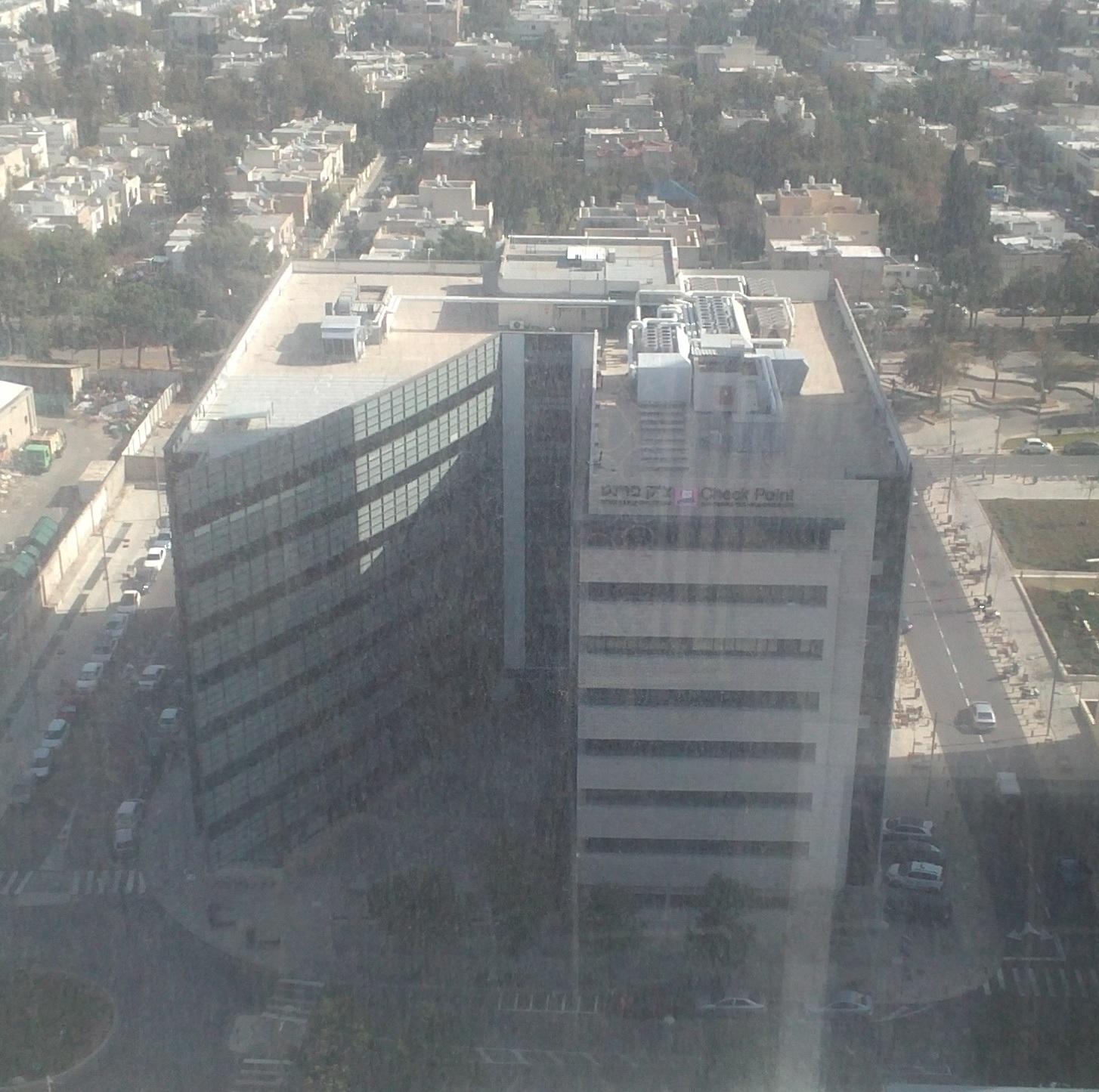
CISA added CVE-2026-123039 to its Known Exploited Vulnerabilities catalog on Nov. 13, 2026. The bug is an incorrect permission assignment in Check Point's Gaia OS DynamicCLI process with a CVSS score of 7.8. Check Point released emergency hotfixes after observing active exploitation against "a couple of dozen customers," Five Nines reported Friday. Affected products are Security Gateway, Security Management Server, Scalable Platforms, the firewall, and Multi-Domain Security Management Server; affected versions are R82.20, R82.10, R82, R81.20, R81.10, and R81.
Check Point's advisory, as summarized by Five Nines, says the DynamicCLI process runs with root privileges and accepts commands over a socket that any local process can write to, without checking who is connecting. An authenticated local user can therefore submit commands that run as root. CISA's catalog entry flags the vulnerability for forensic triage under Binding Operational Directive 26-04 and sets a remediation due date of Nov. 16, 2026. The entry does not say whether ransomware groups have used the flaw.
Five Nines, citing SecurityWeek, reported that attackers first exploited two PHP2Shell vulnerabilities, CVE-2026-109618 and CVE-2026-109619, which allow unauthenticated remote code execution, against Mobile Access portals at Israeli organizations starting Oct. 30. Check Point said the intruders then used CVE-2026-123039 to raise privileges from the portal service account to root. A second wave that began Nov. 2 hit Check Point Security Gateways in several countries. The company stated that "neither wave showed a clear sector preference, suggesting opportunistic initial-access attempts rather than sector-specific targeting".
After gaining root, the attackers installed PHP web shells and two backdoors: TSGA, a passive tool, and TSProxy, which hooks into appliance processes to monitor traffic. They used gogo to scan for internal systems, connected to a VMware ESXi host over SSH, and ran destroy_v6, a Linux wiper that recursively deletes files and attempts to overwrite them. They also left DREAM_ANNEXATION.txt notes that mention the Israeli-Palestinian conflict.
Check Point said the evidence does not support high-confidence attribution. Activity occurred during hours typical for China, and the malware and infrastructure had ties to Chinese tools, but the wiper and political messages do not fit known Chinese operations, so a false flag is possible.
Administrators should apply Check Point's hotfixes. Until then, Check Point recommends stopping the dynamic_server process and preventing it from restarting; CISA's catalog also tells organizations to follow vendor mitigation instructions or stop using the product.
Sources: Cybersecurity and Infrastructure Security Agency CISA, Five Nines
Lena Vasquez covers vulnerabilities, breaches and identity for Five Nines. She writes from advisories, vendor bulletins and published reporting.
Corrections. Report an error to corrections@thefivenines.com. We list substantive corrections on the corrections page.