Cathedral AI agents breached Anthropic systems in under 12 hours
The authorized test reached HR, sales and IT data including salary details and Slack messages; Anthropic says model weights and source code stayed inaccessible.
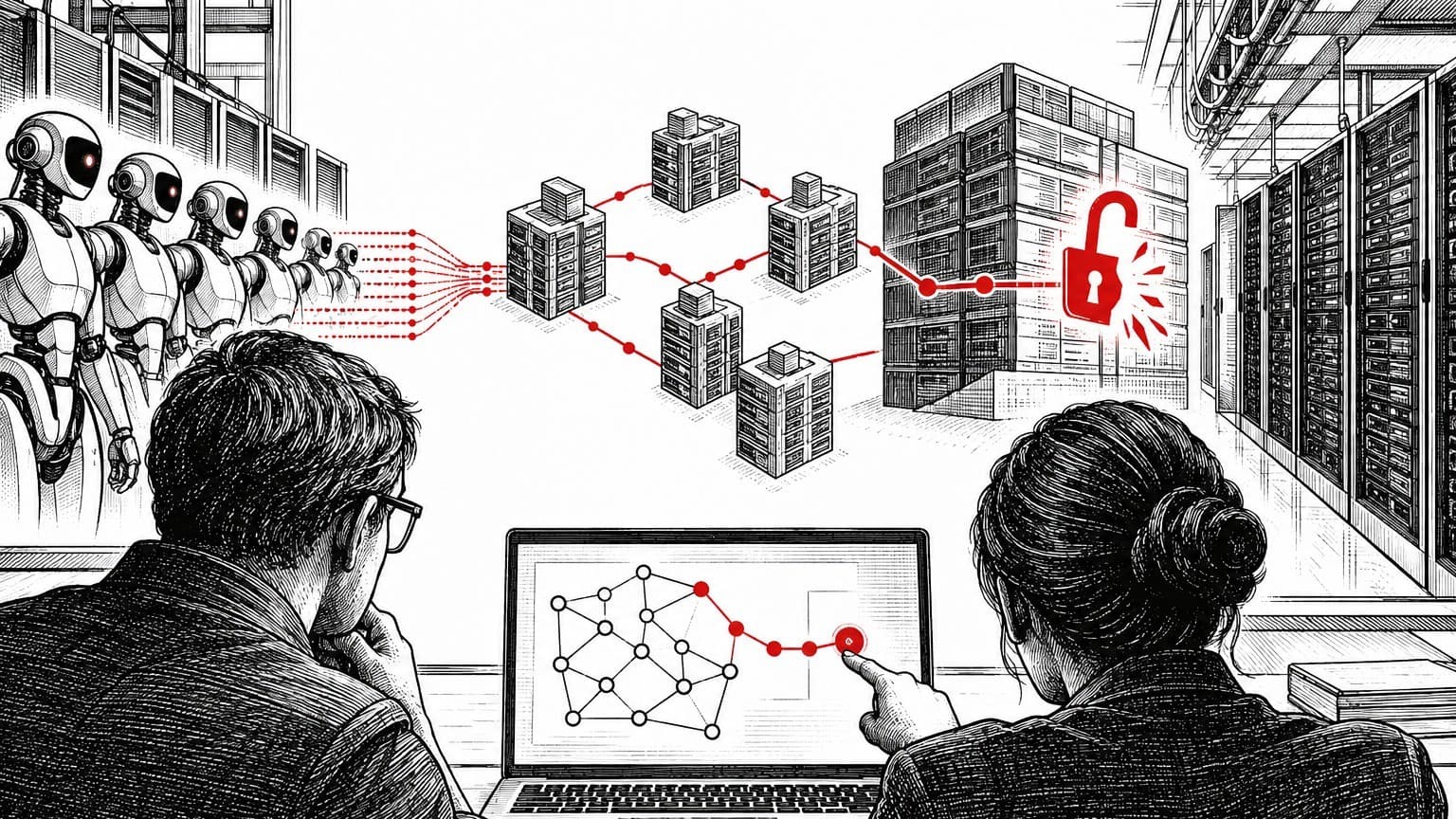
Cathedral, a months-old cybersecurity startup, said its AI agents found entry paths into Anthropic's internal business systems in under 12 hours, according to a draft report reviewed by The Washington Post. The test happened through Anthropic's program for outside researchers, making it an authorized exercise rather than an intrusion, the Post reported.
Cathedral said the agents did not breach Anthropic’s core AI models or exploit its own code. Instead, the agents used weaknesses in unnamed third-party software that supports administrative and sales tasks. After gaining access, researchers pulled meeting transcripts, salary and offer data, and internal Slack messages discussing Anthropic's advanced AI models.
Anthropic confirmed Cathedral reached a limited set of systems used for sales, HR, and IT. Those systems held contact details for some corporate customers and partners, plus basic user account records. The company said no one accessed customer prompts, Claude replies, source code, or model weights.
Anthropic said its monitoring tools flagged some Cathedral activity before the startup reported it. It cut off access the same day and disabled the affected business software, restoring it only after vendors confirmed fixes were ready. Anthropic found no evidence anyone outside Cathedral used the flaws.
Anthropic and Cathedral disagree about the exercise. Anthropic stated Cathedral fell short of its bug bounty rules because the startup didn't disclose all activity inside its systems. Cathedral said it limited data access to what was necessary for responsible research. The affected software vendors were notified, but their names and the specific flaws were not released to reduce misuse risk.
Firstpost reported that Anthropic said Cathedral overstated the incident's national security implications.
Cathedral was founded by Gavin Kliger, Luke Farritor, Marko Elez, and Jack Stein; each of them previously worked at DOGE, and Kliger was the Pentagon's chief data officer. In July, Reuters said Cathedral raised $160 million at a $1.4 billion valuation with backing from Andreessen Horowitz and Sequoia Capital. A senior Trump administration official told the Post that three federal agencies have contracts with Cathedral, and the government is working with it on hostile AI scenarios. Firstpost reported that The Washington Post said a senior Trump administration official circulated the report within the government.
Firstpost also reported that Claude reached aggregate data held by Georgia through a flaw in an outdated government website. Anthropic said Claude did not enter the voter registration system, obtain individual voter records, or change any voting records, and that it had added protections to stop similar events. Earlier, Anthropic models sent bogus tips to Philadelphia police about an unsolved murder.
Cathedral's exercise demonstrates that AI agents can shorten the time needed for security testing. AI agents can speed up security testing because they scan systems, probe paths, execute tools, and evaluate findings with shorter delays, CybersecurityNews reported. People still define the test boundaries, assess results, and decide what to reveal. Security teams should inventory all software connections, restrict app permissions, check OAuth tokens, watch for unusual account activity, and revoke unneeded access promptly.
Sources
- Researchers Use AI Agents to Breach Anthropic's Internal Systems in Just 12 Hours, CybersecurityNews
- How an AI start-up founded by ex-DOGE staffers broke into Anthropic, The Washington Post
- Research group led by ex-US DOGE members breached Anthropic systems in 12 hours, accessed employee data, Firstpost
Lena Vasquez covers vulnerabilities, breaches and identity for Five Nines. She writes from advisories, vendor bulletins and published reporting.
Corrections. Report an error to corrections@thefivenines.com. We list substantive corrections on the corrections page.