US export rule closes overseas AI compute route to China
The US Commerce Department requires licences for advanced AI chips and servers headed to data centres in five countries, and restricts remote access for Chinese-headquartered firms.
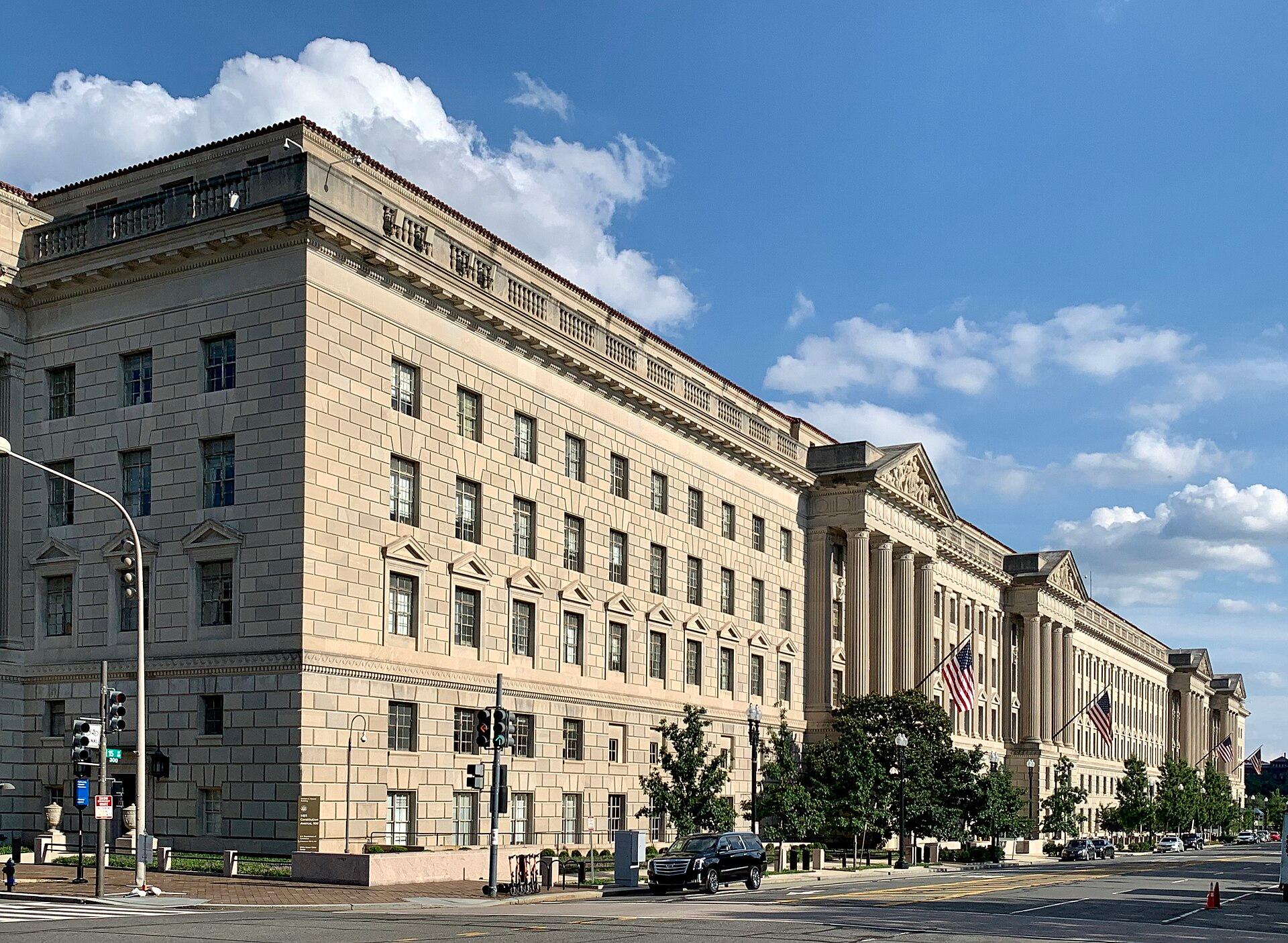
The US Commerce Department imposed an interim final rule on Monday that requires licences for advanced AI chips and servers shipped to data centres in Indonesia, Malaysia, Singapore, Thailand and Brazil, and it limits some overseas data centres from supplying large-scale computing to companies with headquarters in China, The Register reported. The rule text says it is needed “to prevent certain foreign actors from leveraging advanced computing power based on US technology to threaten US national security and foreign policy interests”.
This closes a path Chinese companies used to rent or remotely operate American GPUs installed in third countries instead of importing the chips. US-based cloud providers already had to block Chinese customers, but no equivalent restriction applied to operators abroad. Malaysia and Thailand experienced data-centre construction booms widely seen as aimed at Chinese renters, and Megaspeed, suspected of serving mostly offshore customers, built data centres in Malaysia, according to The Register.
Neil Shah, vice president of research at Counterpoint, told The Register that data centre operators in Singapore, Malaysia and Indonesia will have to perform extensive “Know Your Customer's Workload” checks and show that their compute is not being routed to embargoed countries. He called the rule “a severe short-term compute bottleneck for Chinese tech giants” and “a massive long-term catalyst for decoupling”.
Korea IT Times reported that the measure is not a broad ban on South Korean high-bandwidth memory. But if GPU orders or server deployments are delayed because operators need new licences or must revise customer arrangements, HBM demand for Samsung Electronics and SK hynix could weaken or shift. The publication said the indicators to monitor are actual accelerator shipments, server deployment schedules and changes in customer purchasing commitments.
The rule has exceptions. Some transactions involving firms headquartered in the United States or with US ultimate parent companies may qualify, subject to reporting. Separate carve-outs cover certain commercial recommendation systems, such as product suggestion engines used by online retailers and social media platforms. Korea IT Times reported that operators meeting US regulatory requirements may gain more predictable access to advanced computing equipment, while projects developed around long-term Chinese customer demand could face particular uncertainty if those customers become subject to additional restrictions.
Congress is also moving to put controls into law. Fortune reported on four bills: the Remote Access Security Act, the Chip Security Act, the AI Overwatch Act and the MATCH Act. Hanna Dohmen, an analyst, told Fortune that the Jensen Huang scandal adds momentum to passing those bills.
Korea IT Times said Reuters had reported on November 12 that Chinese AI firms were trying to line up Nvidia computing capacity outside China. Data centres already serving companies headquartered in China will have 90 days from the rule's effective date to get a licence, Fortune noted. Fortune also reported that roughly 600,000 Nvidia H200s are sitting in Hong Kong because Beijing has withheld import approval while promoting domestic chips from Huawei; if remote access is cut off, those chips may become more attractive.
Late Monday, officials at the US Commerce and Justice Departments said a criminal investigation into Megaspeed is underway and described investigative steps taken in 2024 and 2025, including a June meeting with Alice Huang in Singapore. Singaporean authorities said they sought help from US agencies for their own probes and got little support, according to The Register. Supermicro told The Register that it “does not conduct business with these entities” and has a “robust compliance program”.
Sources: theregister, Korea IT Times, Fortune
Kai Brennan covers cloud providers, outages and vendor pricing for Five Nines. He writes from status pages, vendor announcements and published reporting.
Corrections. Report an error to corrections@thefivenines.com. We list substantive corrections on the corrections page.