Nvidia halts AI server shipments to four Southeast Asian countries
Dell and Supermicro told buyers in Malaysia, Singapore, Thailand and Indonesia that Nvidia would not allow their orders to ship, the Financial Times reported.
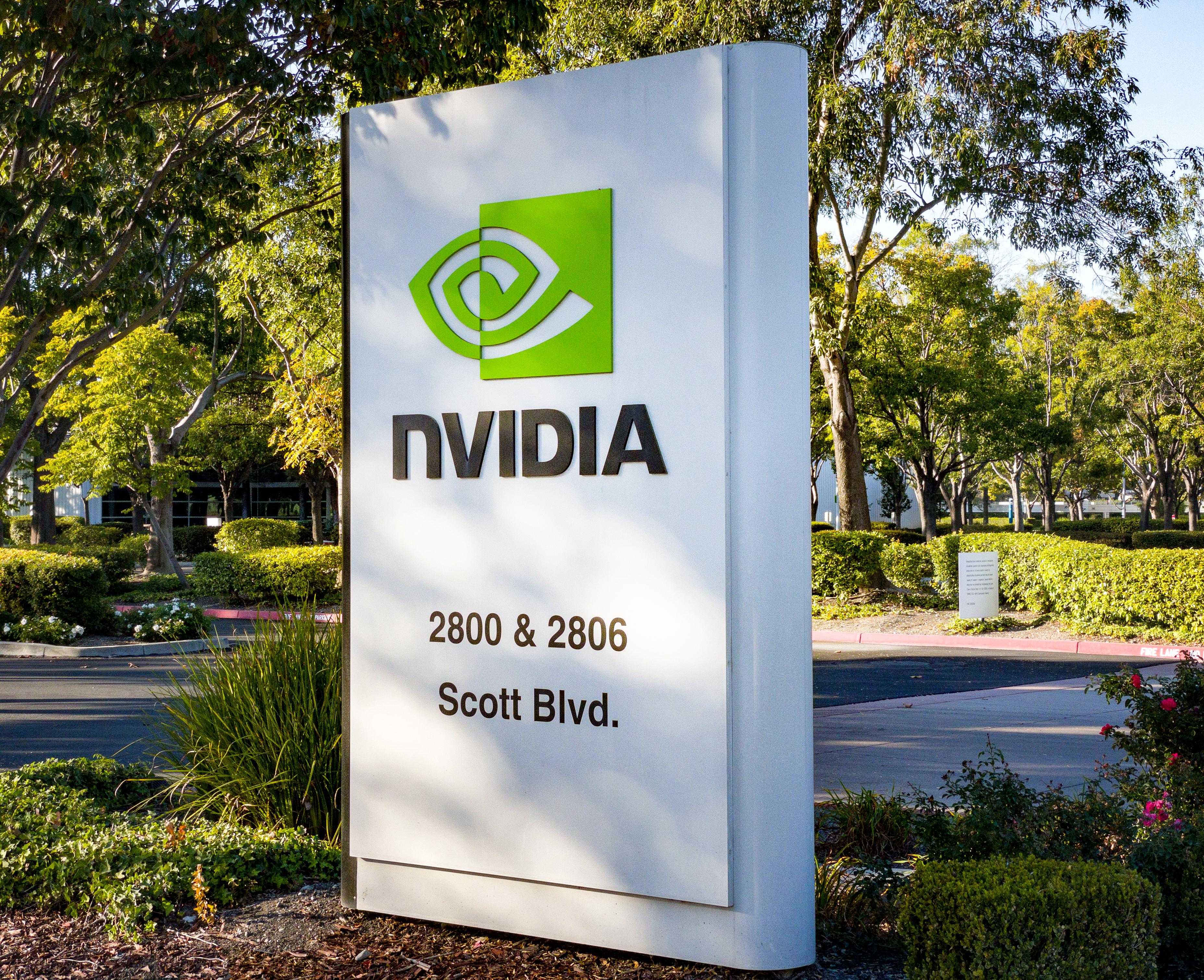
Nvidia has told its manufacturing partners to halt shipments of servers equipped with its AI chips destined for Malaysia, Singapore, Thailand and Indonesia, according to a Financial Times report cited by MLQ.ai and Coinpaper. Server makers Dell and Supermicro informed customers in those countries that their orders could not be shipped, Coinpaper reported. Pending orders are unable to leave factories, according to the FT account in MLQ.ai. It remains unclear how long the halt will last.
The halt follows new US export controls. MLQ.ai reports that the Commerce Department issued the rule on 16 November, while Coinpaper says the Bureau of Industry and Security introduced it on 19 November. Cloud providers in Asia have 90 days under the rule to secure export licences after verifying that their customers do not include restricted Chinese entities. An executive at a regional cloud provider told the FT, as quoted by MLQ.ai, that the new rule has come without execution guidance. The executive said it is unclear how to apply for the licence within the 90-day window, and described the situation as 'sheer chaos' in the region.
The rule extends Washington's crackdown beyond direct chip exports. Chinese companies are unable to purchase Nvidia's most advanced chips outright, and the four Southeast Asian countries have become popular locations for Chinese AI firms to rent computing clusters from local data centres, according to MLQ.ai. The new regulations impose stricter compliance duties on chipmakers, exporters and data centre operators, with added checks on customer ownership and end use, Coinpaper reported.
Nvidia's Singapore subsidiary booked $104 billion of revenue in 2025, a 72 percent rise, according to accounts the company filed and MLQ.ai cited. Because that unit also books some Taiwan and China revenue, the figure does not reflect Southeast Asian sales alone. Fitch Ratings said the tightened chip controls will slow data-centre investment across Asia-Pacific and force greater selectivity, with the heaviest strain on neocloud operators, MLQ.ai reported, citing Reuters. Fitch said operators concentrated on Chinese customers may need to lower prices, provide less advanced computing, or forgo chip upgrades. Projects nearing completion could also be delayed if operators cannot secure chips or verify customer eligibility, according to MLQ.ai.
The disruption is already visible in financing and resale markets. Banks have suspended roughly $500 million in credit facilities for Singapore cloud company Aolani, which was negotiating to supply computing power to ByteDance, MLQ.ai and The Decoder reported. Dealers have put thousands of Nvidia B300 GPUs up for resale. Jack Duhamel, president of GPU Mart, told CNBC that the sudden increase stems directly from the new regulation, The Decoder reported.
Dell and Supermicro face revenue uncertainty. Dell announced $60.2 billion in AI server orders in its fiscal third quarter and a $132.3 billion backlog, Coinpaper reported. Supermicro had projected quarterly revenue of $19.5 billion to $21.5 billion. Neither company has quantified the financial impact of the suspension. Nvidia did not comment to the FT, and Dell and Supermicro did not reply to requests for comment, according to MLQ.ai. As of early Thursday, none of the four governments had issued a public comment on the suspension, according to the reports reviewed by MLQ.ai.
Nvidia's board reinstated Jensen Huang as chief executive on 23 November, only days before the halt. Huang had stepped down after reports of a relationship with a woman suspected of spying for China. The woman had worked at Megaspeed, a Singapore cloud company under scrutiny for possibly diverting advanced AI chips to China illegally, MLQ.ai reported.
Sources: MLQ.ai, Coinpaper, The Decoder
Kai Brennan covers cloud providers, outages and vendor pricing for Five Nines. He writes from status pages, vendor announcements and published reporting.
Corrections. Report an error to corrections@thefivenines.com. We list substantive corrections on the corrections page.