European Commission systems offline after AI-assisted hack
Sysper and MyPMO, used for pay, leave and medical reimbursements, were down for more than ten days. The Commission has not confirmed whether employee data was accessed.
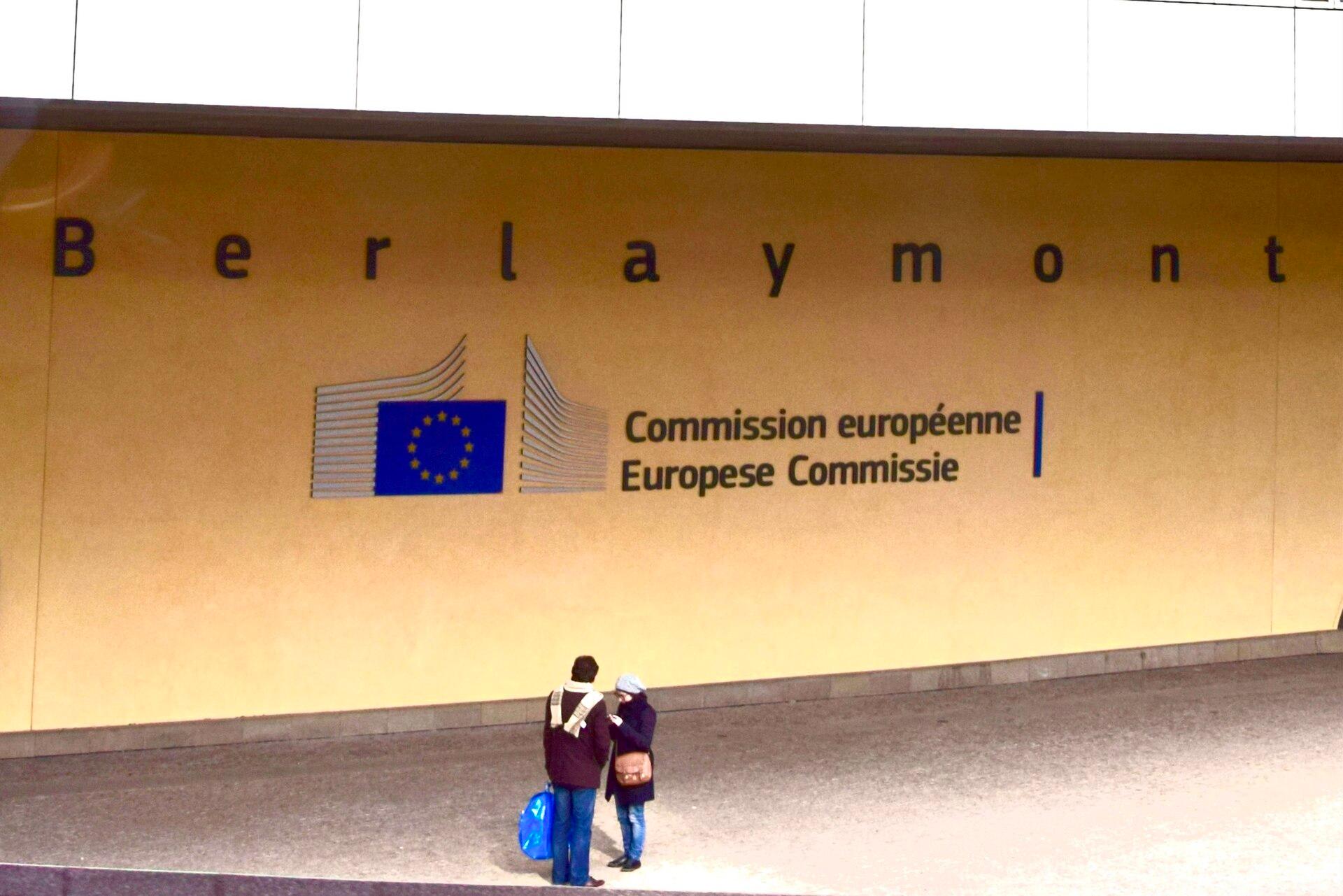
The European Commission has spent more than ten days responding to a cyber campaign that forced staff-facing applications offline, The Register reported on Thursday. The attack was first reported by Politico. Hackers used the publicly available AI-powered penetration testing framework ARTEX, say Politico sources. The Commission has not said whether staff personal data was taken.
The affected systems included Sysper, which staff use for payslips, timesheets and leave requests, and MyPMO, which handles medical reimbursements. Both came back online earlier this week, but Sysper failed again on Wednesday. Translation services were also disrupted. The Commission's Corporate Management Board held an emergency meeting earlier this month, and tech commissioner Henna Virkkunen briefed fellow commissioners on Wednesday.
Commission spokesperson Thomas Regnier told Politico: "The European Commission has taken the necessary steps in response to a detected cyber campaign. Individual systems were targeted and, in line with our standard practice, we have informed those concerned." The Commission has not answered The Register's questions about whether attackers accessed employee data or whether applications were taken offline as a precaution.
Despite the disruption, Commission staff were paid on time. Some staff could not book time off or submit timesheets, but salaries landed as usual, according to Politico. Whether hackers viewed payslips remains unclear.
CERT-EU, the cybersecurity agency for EU institutions, said on November 5 it had detected what it believed were ARTEX-assisted attacks against organizations it oversees. The developer removed ARTEX's GitHub repository in October after reports of misuse, but forks of the code remain accessible. The FBI warned last week that researchers had located over 1,600 ARTEX consoles exposed to the internet, and in some incidents attackers reached privileged access within three hours.
"What used to take a skilled operator days or weeks of chaining is now happening in hours because frameworks like ARTEX let a single actor stand up fleets of agents that plan, probe, exploit, and move laterally with almost no further human input after the initial goal is set," said Snehal Antani, CEO of security firm Horizon3.ai. Antani added that shared tooling can complicate attribution because state-backed hackers and cybercriminals draw from the same toolbox.
Sources: theregister
Kai Brennan covers cloud providers, outages and vendor pricing for Five Nines. He writes from status pages, vendor announcements and published reporting.
Corrections. Report an error to corrections@thefivenines.com. We list substantive corrections on the corrections page.