Microsoft report confirms some November email never arrived
Microsoft's final review confirms some consumer email never arrived and testing missed a server defect; CyberCube puts insured losses below $100 million while a Code Red program targets one-hour recovery.
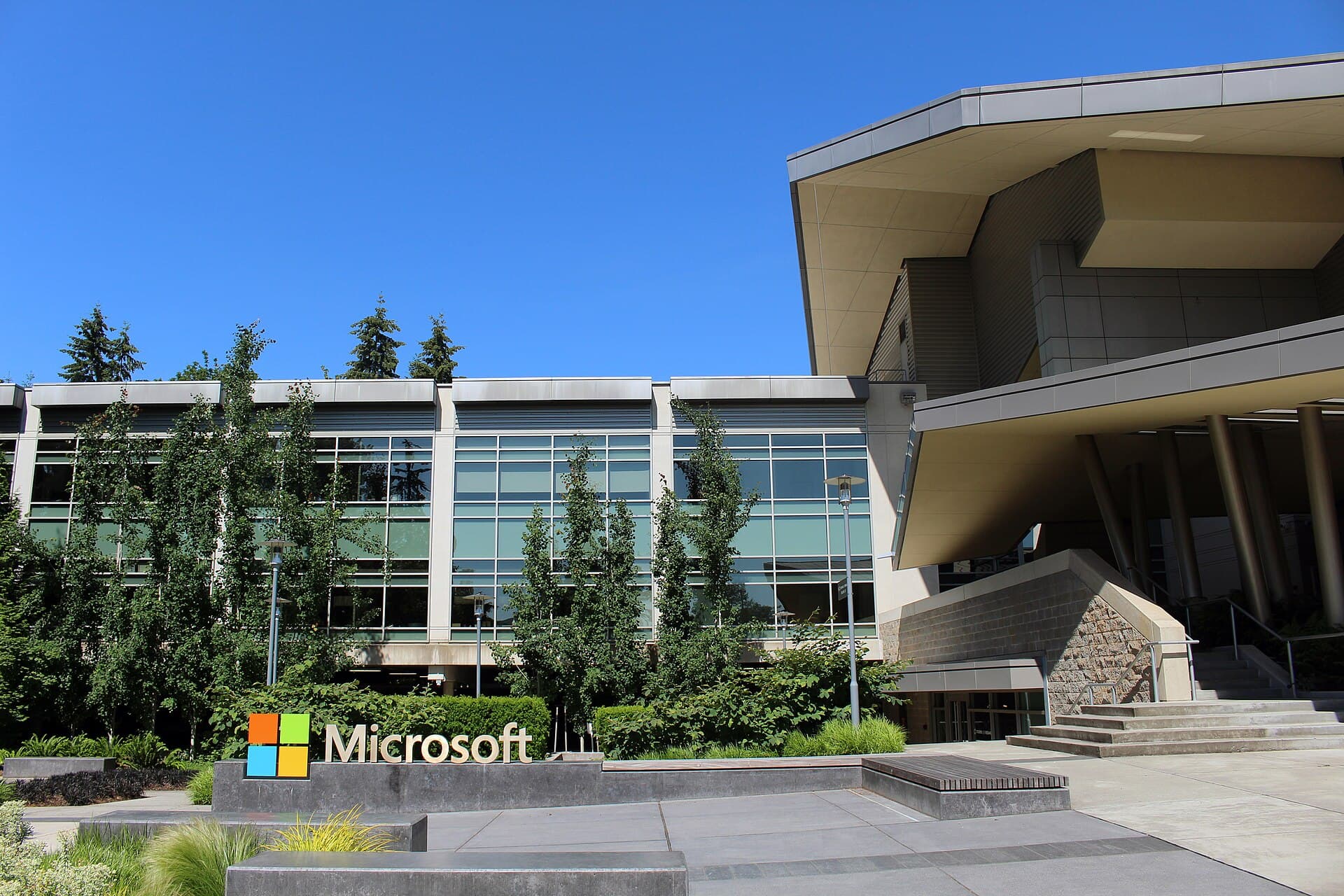
Microsoft has opened a "Code Red" engineering and operations review after the November Microsoft 365 outage, aiming to restore service worldwide within one hour of future disruptions and using AI agents to help diagnose failures, the New York Post reported on Tuesday. Jason Henderson, president of M365 Core, told staff in a memo that "Code Red means that this is the highest priority work for our team." He wrote that no previous incident in Microsoft's history had kept so many customers without email for so long. A corporate vice president who oversees M365 Core and Work IQ, Amanda Silver, said Monday that responders traded more than 11,000 messages across 11 Teams chats, a volume that created a "fog of war" and slowed the fix, according to the Post. Henderson plans daily meetings with the engineering group and weekly reviews, the Post reported.
Microsoft's final post-incident report adds details on email loss and testing gaps, The Register reported on Monday. The report confirms the underlying cause was a July Windows change that altered gateway server configuration, not ordinary Windows deployments, and says the faulty change had been live globally for more than three months prior to the gateway failure. Microsoft widened its delivery retry window to 48 hours. Microsoft said every queued enterprise message was ultimately delivered, and none were permanently lost, but some messages bound for consumer mailboxes that had sat inactive for more than 30 days expired and generated non-delivery reports. At the peak of the incident, more than 80 percent of North America's gateway servers failed to respond, The Register wrote. Microsoft plans to isolate failures, add spare capacity, improve change auditing and diagnostics, and run load tests on newer hardware with realistic traffic and peak loads, instead of the older machines used before.
CyberCube's estimate suggests insurers face a comparatively modest bill. Beinsure reported that the firm puts most likely global cyber insured losses below $100 million, with a conservative upper bound of $350 million. CyberCube's model places the event at 0 to 2 percent of global cyber insurance premiums, consistent with its Level 2, or moderate, classification. The outage lasted about 38 hours and affected users in more than 70 countries, with severe disruption for about 18 hours. Beinsure wrote that CyberCube attributes the contained losses to widely available alternative communication channels, limited evidence of revenue loss, no reported data corruption or leakage, and much of the disruption falling outside US business hours. Morningstar DBRS projected losses of $300 million to $500 million, while insurance broker Acrisure estimated $700 million, according to Beinsure.
Five Nines reported on November 13 that the incident began at 18:26 UTC on November 12. Outlook, Teams, Copilot, SharePoint Online, and Microsoft Defender XDR became inaccessible after Microsoft first blamed elevated infrastructure demand, then found that servers had failed unexpectedly. Recovery was gradual: by 13:05 UTC on Friday, Microsoft said email access and delivery were improving, and it extended the email timeout window to 48 hours to preserve delayed messages. By 17:06 UTC, the company said queued email had shrunk substantially and was close to normal. Microsoft said it saw no sign of malicious or cyber activity behind the outage, though it had not yet disclosed the underlying cause.
Five Nines also reported on November 22 that corporations, governments, universities, courts and hospital systems in the US and abroad were disrupted. Among those that issued notices were the UK National Health Service, New York City Emergency Management, Austin and Baltimore, Unity Health Toronto, the UK Supreme Court, Cambridge University, and Kean University; Anthropic also posted an advisory. Microsoft said the outage came from "a technical issue not related to cyber or AI / agents" caused by "an issue during an earlier network capacity upgrade that surfaced following a recent network change" and that it fixed the root problem while restoring users and regions.
Sources: theregister, beinsure.com, New York Post, Five Nines (1, 2)
Kai Brennan covers cloud providers, outages and vendor pricing for Five Nines. He writes from status pages, vendor announcements and published reporting.
Corrections. Report an error to corrections@thefivenines.com. We list substantive corrections on the corrections page.